
Section outline
-
In this section you will find useful information on what plagiarism is.
- What Is Plagiarism?
- Why It’s Important to Avoid Plagiarism
- Short Activity: Quiz: Is it Plagiarism?
-
What is Plagiarism?

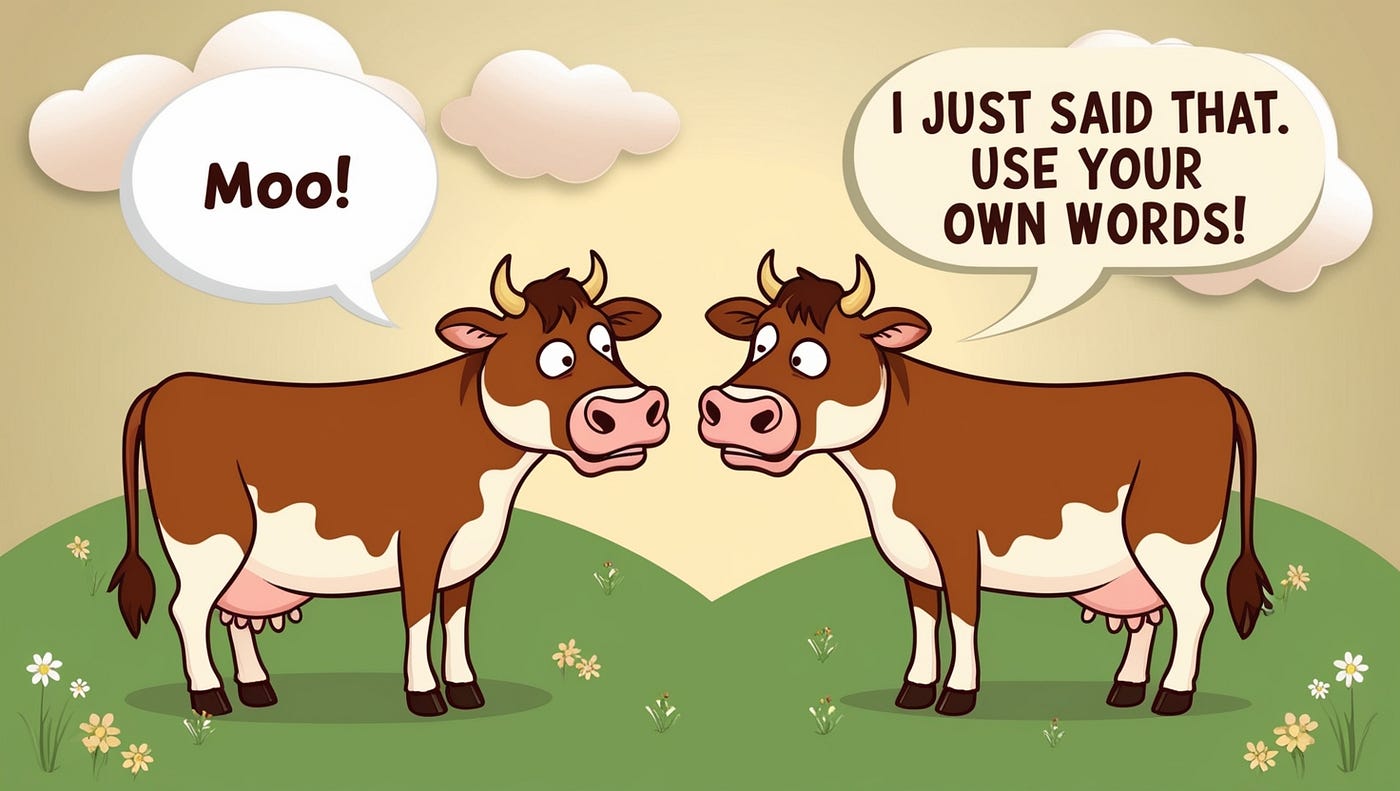
Plagiarism is the act of using someone else’s work, ideas, or words without giving them proper credit. It can include copying text from books, websites, or classmates, as well as re-using your own previous work without acknowledging it (called self-plagiarism).
Common examples of plagiarism include:
-
Copying and pasting sentences or paragraphs from a source without referencing it.
-
Paraphrasing another person’s ideas too closely without proper citation.
-
Submitting work that was done by someone else.
-
Using media such as images, graphs, or videos without acknowledging the source.
In academic writing, acknowledging your sources shows respect for the intellectual work of others and helps readers see where your ideas come from.
-
-
Why is it important to avoid Plagiarism?
-
Academic Integrity
Avoiding plagiarism demonstrates honesty and integrity in your studies. Your qualifications reflect your knowledge and effort, not someone else’s. -
Respect for Others’ Work
Referencing shows that you value and respect the ideas of others and understand how knowledge is built on existing research. -
Skills Development
When you research, summarise, and cite sources correctly, you build essential academic and professional skills—critical thinking, writing, and analysis. -
Consequences of Plagiarism
Plagiarism is considered academic misconduct. At most institutions, this can lead to:-
Loss of marks or failing the assignment
-
Formal disciplinary action
-
Damage to your academic record and reputation
-
-
Credibility and Professionalism
In the workplace and beyond, credibility matters. Learning to attribute sources correctly strengthens your professional ethics and communication.
-